
Welcome to the ultimate guide on Poha Recipe & Benefits, covering everything from weight loss tips to authentic Indian cooking methods
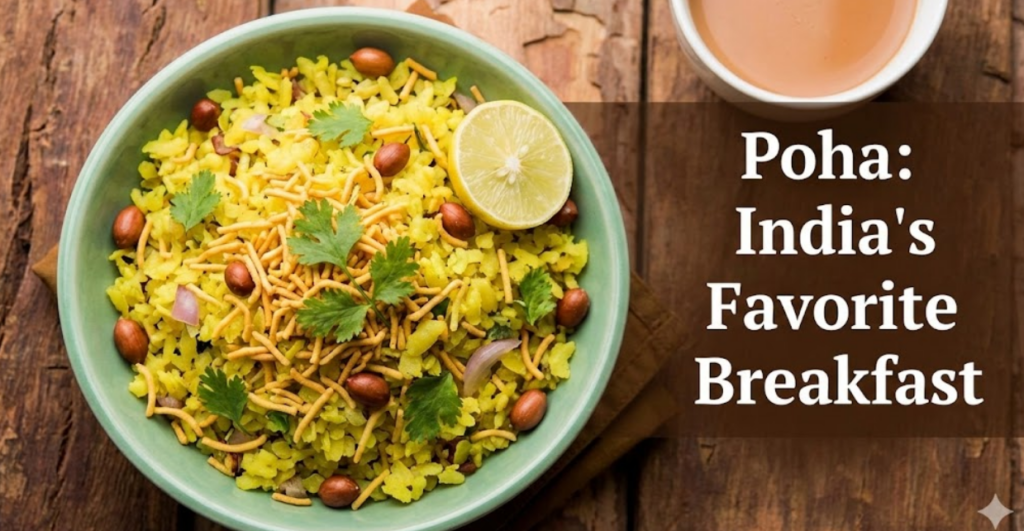
What connects these diverse cultures? It is the humble, versatile, and incredibly healthy Poha.
Whether you are searching for “poha near me” because you are craving a quick breakfast, or you want to know how to make poha for weight loss, this guide is your one-stop resource. We will dive deep into poha calories, poha recipes, and why this simple flattened rice is a superfood in disguise.
Part 1: What is Poha? (Understanding the Basics)
The Meaning and Names
Poha is not just a dish; it is an ingredient. In English, it is known as Flattened Rice or Beaten Rice.
- Poha in Hindi: पोहा (Poha) or चिवड़ा (Chivda).
- Poha in East India: In Bihar, Bengal, and Odisha, it is called Chura or Chire.
- Poha in South India: It is known as Aval (Tamil/Malayalam), Avalakki (Kannada), or Atukulu (Telugu).
So, when someone asks “Poha kya hota hai?”, the answer is simple: It is rice that has been parboiled, rolled, flattened, and dried to produce flakes.
How is Poha Made? (From Paddy to Plate)
Understanding the manufacturing process helps us appreciate why poha calories are lower than raw rice.
- Parboiling: The paddy (rice with husk) is soaked in hot water. This partially cooks the grain and gelatinizes the starch.
- Roasting: The soaked paddy is roasted. This makes it brittle.
- Flattening: The roasted paddy is immediately put into heavy rollers. The pressure flattens the rice kernel into a flake. This is why it is called beaten rice.
- Grading: It is sieved to separate different thicknesses (Thick, Thin, Nylon).
Types of Poha Varieties
To get the perfect poha dish, you must buy the right poha packet:
- Thick Poha (Jada Poha): The most popular variety. It is thick, absorbent, and does not turn into mush easily. Essential for Kanda Poha and Vegetable Poha.
- Medium Poha: A balance between thick and thin. Good for Curd Poha or Dahi Chura.
- Thin Poha (Patla Poha): Paper-thin and translucent. It is never soaked in water. It is roasted dry to make Poha Chivda or Poha Namkeen.
- Red Poha: Made from unpolished red rice. It has a nuttier taste and higher fiber content. If you are looking for poha for weight loss, this is the best variety.
- Nylon Poha: The thinnest variety, used exclusively for crispy snacks like Chivda.
Part 2: Nutritional Breakdown – Is Poha Healthy?
One of the most searched questions is: “Is poha healthy?” or “What are the calories in poha?”
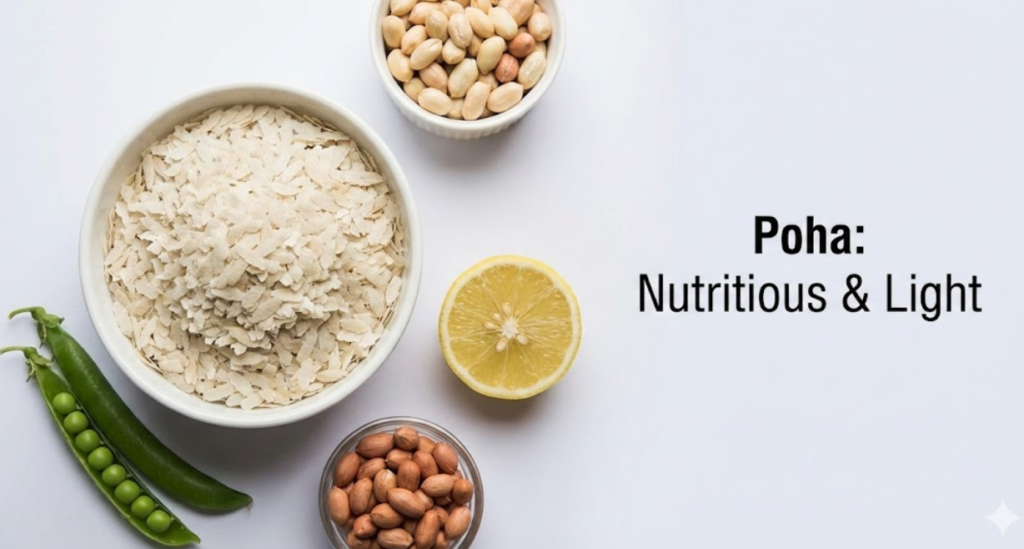
Let’s break down the Poha Calories 100g (Uncooked):
- Calories: ~340 kcal
- Carbohydrates: ~76g
- Protein: ~6.7g (Poha protein is moderate but can be doubled by adding peanuts and peas).
- Fat: ~1g (Ideally fat-free until you add oil).
- Iron: ~20mg (Very High).
- Fiber: ~2-4g (Higher in Red Poha).
Top 5 Health Benefits of Poha
- A Good Probiotic: During the soaking process of parboiling, the rice undergoes mild fermentation. This retains the good bacteria, making poha excellent for gut health and digestion.
- Rich in Iron: The rollers used to flatten the rice are often made of iron. As a result, poha retains a significant amount of iron. Tip: Always squeeze a lemon (Vitamin C) on your poha to help your body absorb this iron.
- Low Gluten: While wheat products (like Upma made from Suji) contain gluten, Poha is naturally gluten-free (unless cross-contaminated). It is very light on the stomach.
- Energy Booster: It is a source of healthy carbohydrates. It releases energy slowly (if made with veggies), keeping you active without the lethargy that comes after eating white rice.
- Regulates Blood Sugar: Unlike raw white rice which can spike sugar, poha benefits diabetics if cooked with vegetables and sprouts because the fiber slows down sugar release.
Poha vs. Other Breakfasts
- Poha vs. Rice: Poha is lighter and has a lower glycemic index than boiled white rice.
- Poha vs. Oats: Oats have more fiber, but poha is arguably tastier and easier to digest. You can even mix them to make Oats Poha.
- Poha vs. Cornflakes: Poha is much healthier. Cornflakes are often loaded with sugar and preservatives. Poha is a fresh, unprocessed poha food.
Part 3: Poha for Weight Loss
Can you eat poha for weight loss? Yes, but you have to cook it correctly.
The Weight Loss Mistake: Many people drown their poha in oil, add deep-fried sev, and load it with potatoes. This increases the calories in poha drastically.
The Weight Loss Recipe Strategy:
- Use Red Poha: It has more fiber, keeping you full longer.
- The 50:50 Rule: Your plate should be 50% Poha and 50% Vegetables (Carrots, Peas, Beans, Capsicum).
- Protein Load: Add boiled sprouts, steamed peas, or soya chunks. This increases the poha protein content, which boosts metabolism.
- Skip the Sev: Avoid the crunchy fried topping (namkeen).
- Limit Peanuts: Peanuts are healthy but calorie-dense. Stick to a tablespoon.
Part 4: The Mythology & History
Poha is ancient. It is mentioned in Vedic texts. The most famous story involves Lord Krishna and his poor friend Sudama. When Sudama went to visit Krishna, he had nothing to offer but a handful of poha (flattened rice) tied in a ragged cloth. He was ashamed to give such a humble gift to a King. But Krishna, seeing the love behind it, snatched the bundle and ate the poha with pure joy, declaring it the most delicious meal he had ever had. This story cements poha as a symbol of friendship, simplicity, and love in Indian culture.
Part 5: Regional Varieties (The Poha Map of India)
Poha changes its flavor every 100 kilometers in India.
1. Indori Poha (Madhya Pradesh)
If you search for “Indore Poha“, you will find a cult following.
- Taste: Sweet, sour, and spicy.
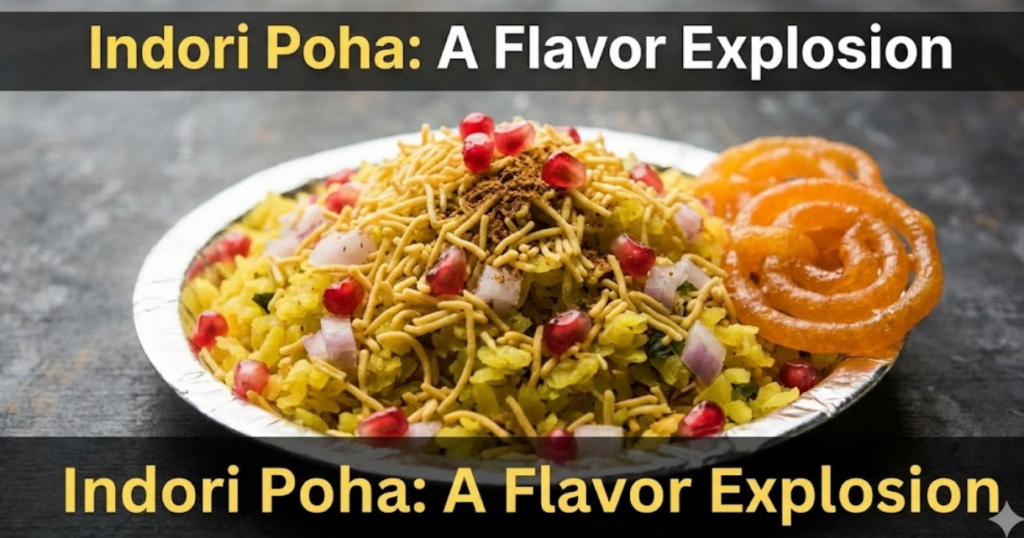
- Unique Factor: It is steamed, not fried. It is topped with Jeeravan Masala (a special spice blend), pomegranate seeds, and Indori Sev.
- Accompaniment: It is often eaten with Jalebi! (The famous Poha-Jalebi breakfast).
2. Kanda Poha (Maharashtra)
- Taste: Savory, spicy, and nutty.
- Unique Factor: Uses a lot of onions (“Kanda”) and peanuts. It is yellow due to turmeric and garnished with fresh coconut.
- Culture: It is the official “matchmaking” dish. When a boy’s family visits a girl’s family for marriage talks, Kanda Poha is almost always served.
3. Dadpe Pohe (Konkan Coast)
- Taste: Fresh, raw, and coconutty.
- Unique Factor: The poha is not cooked on fire. Thin poha is mixed with coconut water, grated coconut, raw onions, and spices, then covered (“dadpe”) to soften. It is a raw salad.
4. Chura Dahi (Bihar & UP)
- Taste: Sweet or Savory.
- Unique Factor: No cooking involved. The Chura (poha) is washed and soaked in thick Dahi (yogurt). It is eaten with jaggery (Gur) or sugar. It is the staple breakfast during the Makar Sankranti festival.
5. Gojju Avalakki (Karnataka)
- Taste: Tangy and spicy.
- Unique Factor: Poha is ground into a coarse powder and mixed with a tamarind-jaggery spiced water (Gojju), then tempered.
Part 6: Authentic Recipes (Poha Kaise Banate Hain)
Here are detailed, step-by-step guides for the most searched poha recipes.
Recipe 1: Classic Vegetable Poha (The Healthy Choice)
- Prep Time: 15 mins
- Cooking Time: 10 mins
- Calories: ~250 kcal per bowl
Ingredients:
- 1.5 cups Thick Poha
- 1 Onion (chopped)
- 1 Potato (diced small and fried/boiled)
- ½ cup Mixed Veggies (Peas, Carrots, Beans)
- 2 tbsp Peanuts
- 1 tsp Mustard Seeds
- 8-10 Curry Leaves
- Green Chillies (slit)
- ¼ tsp Turmeric (Haldi)
- Salt & Sugar (to taste)
- Lemon Juice
- Coriander leaves
How to make poha (Method):
- Rinse: Put the poha in a strainer. Wash it gently under tap water. Do not soak it for long or it becomes mushy. Let it drain.
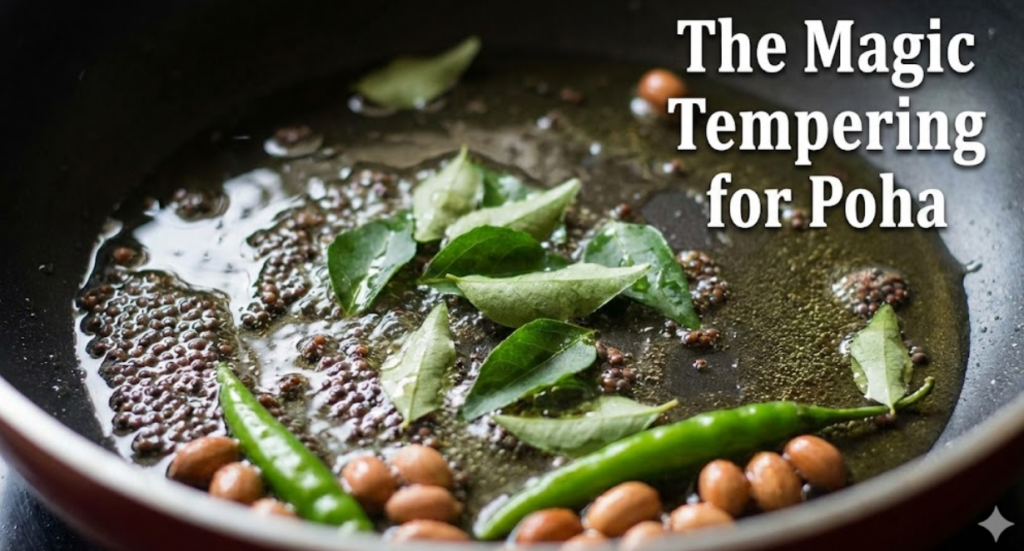
- Temper: Heat 1 tbsp oil in a kadhai (pan). Add mustard seeds. When they pop, add peanuts and fry until crunchy.
- Sauté: Add curry leaves and green chillies. Add onions and potatoes. Cover and cook until potatoes are soft.
- Veggies: Add the mixed vegetables (peas/carrots) and sauté for 2 minutes.
- Spices: Add turmeric and salt.
- Mix: Add the drained, soft poha. Gently toss everything together.
- Steam: Sprinkle a few drops of water, cover the lid, and let it steam on low heat for 2 minutes.
- Finish: Switch off the flame. Add sugar and squeeze lemon juice. Garnish with coriander. Serve hot!
Recipe 2: Indori Poha (The Steamed Method)
Ingredients: Thick Poha, Fennel Seeds (Saunf), Jeeravan Masala, Indori Sev, Pomegranate.
Method:
- Wash the poha and drain it. Add salt, sugar, and turmeric directly to the raw poha in the strainer. Toss it.
- Boil water in a vessel. Place the strainer full of poha on top of the boiling water vessel (like a steamer). Cover it. Let it steam for 5-7 minutes. This makes the poha incredibly soft.
- Prepare a tadka (tempering) of oil, mustard seeds, and fennel seeds (saunf).
- Pour the tadka over the steamed poha.
- Serve: Place poha on a plate. Sprinkle Jeeravan Masala. Add chopped raw onions and a mountain of crispy Indori Sev.
Recipe 3: Poha Namkeen (Chivda)
Ingredients: Thin Poha, Dry Coconut slices, Peanuts, Roasted Gram (Dalia), Curry leaves.
Method:
- Dry roast the Thin Poha in a pan until it becomes crisp and curls up. Remove it.
- In the same pan, heat oil. Fry peanuts, coconut slices, and curry leaves until golden.
- Add turmeric, chili powder, and salt to the oil.
- Mix this spiced oil mixture with the roasted poha.
- Store in an airtight jar. This poha chivda is the perfect tea-time snack with fewer calories than biscuits.
Part 7: Modern Twists & Alternatives
1. Oats Poha
If you want to increase fiber, replace flattened rice with Rolled Oats.
- Method: Roast oats separately. Make the onion-tomato masala base. Sprinkle water to cook the masala. Add roasted oats and mix. Note: Oats get mushy faster than rice poha, so use very little water.
2. Bread Poha
Got leftover bread? Don’t throw it away.
- Method: Cube the bread slices. Make the same “onion-mustard-curry leaf” tempering used for Kanda Poha. Add tomato ketchup (optional) for a tangy taste. Toss the bread cubes in the masala until they are coated and slightly crispy.
3. Sabudana Poha (Tapioca)
Often confused in searches, sabudana is not poha. It is starch extracted from tapioca roots.
- Sabudana Poha usually refers to Sabudana Khichdi, eaten during fasting (Navratri/Ekadashi). It is higher in carbs and calories than rice poha but provides instant energy.
4. Poha Dosa (Instant Breakfast)
- Method: Blend 1 cup soaked poha, 1 cup suji (semolina/rava), and ½ cup curd into a batter.
- Let it rest for 10 minutes.
- Add Eno/Fruit salt.
- Pour on a hot tawa to make soft, spongy dosas. No fermentation needed!
Part 8: Buying Guide – Price, Storage & Brands
Poha Price & Availability
Poha is one of the most affordable grains in India.
- Loose Market Rate: ₹40 – ₹50 per kg.
- Branded Poha Packet: ₹60 – ₹90 per kg (Brands like Tata Sampann, Rajdhani, and organic brands offer cleaner, stone-free options).
- Red Poha Rate: Slightly expensive, around ₹80 – ₹120 per kg.
What is GM Poha?
You might see “GM Poha” in search results. This usually refers to GM Foods, a popular brand in North India that sells various poha varieties. It is not “Genetically Modified” poha. Always check the label.
Storage
Poha has a long shelf life.
- Keep raw poha in an airtight container to prevent moisture and bugs.
- Thin Poha is more fragile and can break if handled roughly.
- Thick Poha can last for 3-4 months easily.
Part 9: Frequently Asked Questions (FAQs)
Q1: How much is Poha calories 100g cooked? A: 100g of cooked poha (which includes the weight of water absorbed) has roughly 130-150 calories, depending on the oil and peanuts used. It is a low-calorie density food.
Q2: Poha kaise banate hain for babies? A: For babies (8 months+), you can make Curd Poha. Soak poha in warm water until very soft. Mash it completely. Mix with sweet curd or mashed banana. It is easy to digest.
Q3: What is “Poha Masala”? A: It is a spice blend sprinkled on top. You can make it by mixing:
- Amchur (Dry Mango Powder)
- Black Salt (Kala Namak)
- Roasted Cumin Powder (Jeera)
- Chilli Powder
- Sugar
- A pinch of Cinnamon (Dalchini).
Q4: Can I freeze cooked Poha? A: Yes! Poha freezes well. You can make a large batch of Kanda Poha, let it cool, and freeze it in portion-sized bags. To eat, sprinkle some water and microwave it. This is great for meal prep or “Instant Poha” cups.
Q5: Is Poha better than Upma (Suji)? A: Poha is gluten-free and lighter. Upma is made from Suji (Wheat), which has gluten and can feel heavier. For weight loss, Vegetable Poha is generally preferred over Upma because Suji is calorie-dense.
Q6: What is “Chura” in Bihar? A: Chura is just the Bihari word for Poha. “Chura Matar” is a famous winter street food in Varanasi and Bihar, made by cooking fresh green peas with poha and lots of ginger and black pepper.
Conclusion: The Magic of the Flake
Now that you understand the complete Poha Recipe & Benefits, you can include this healthy superfood in your daily diet.
In a world of fancy smoothies, avocado toasts, and protein bars, Poha stands tall as the ultimate Indian comfort food. It is humble yet nutritious, simple yet flavorful.
It bridges the gap between taste and health. Whether you are a college student looking for a cheap meal (poha packet costs less than instant noodles!), a diabetic looking for sugar control, or a foodie craving the spicy kick of Indori Poha, this dish has something for everyone.
So, the next time you wake up wondering what to make, skip the toast. Grab that bag of flattened rice, chop some onions, crackle some mustard seeds, and enjoy a steaming plate of goodness.
Pro Tip for the Perfect Plate: Always serve your poha with a slice of lemon and a sprinkle of besan sev (gram flour noodles). The crunch of the sev, the tang of the lemon, and the softness of the rice flakes create the perfect bite!